

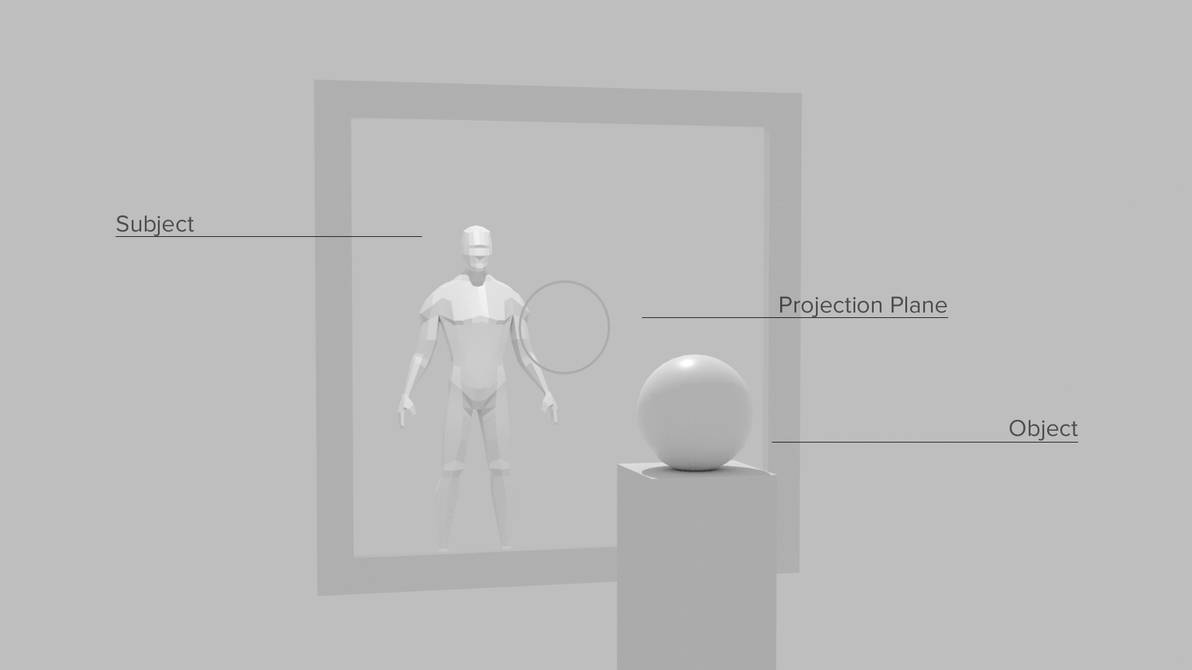
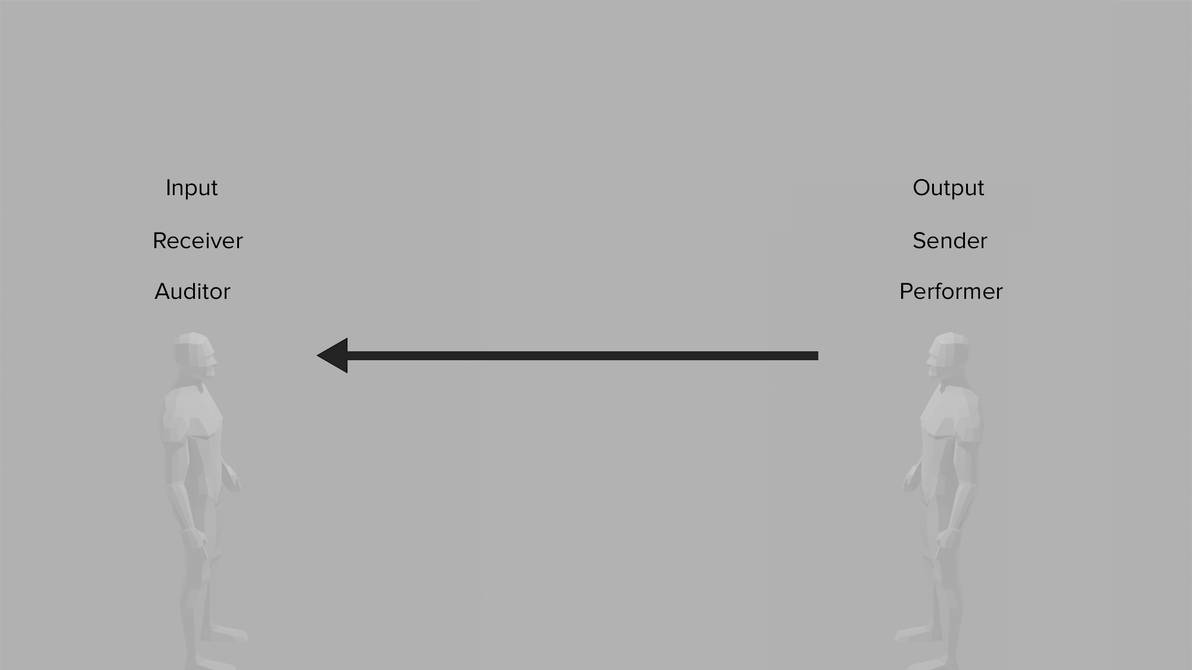
We have decided upon the concepts that we want to imply on our theatre architecture at a degree of influence by our previous analysis. First concept that we found consensus was the idea of interactivity. We wanted to break the conventional input-output relationship between spectator and performer as well as their spatial correspondences stage and auditorium; in order to enhance the event of play to more holistic and reciprocal meaning.
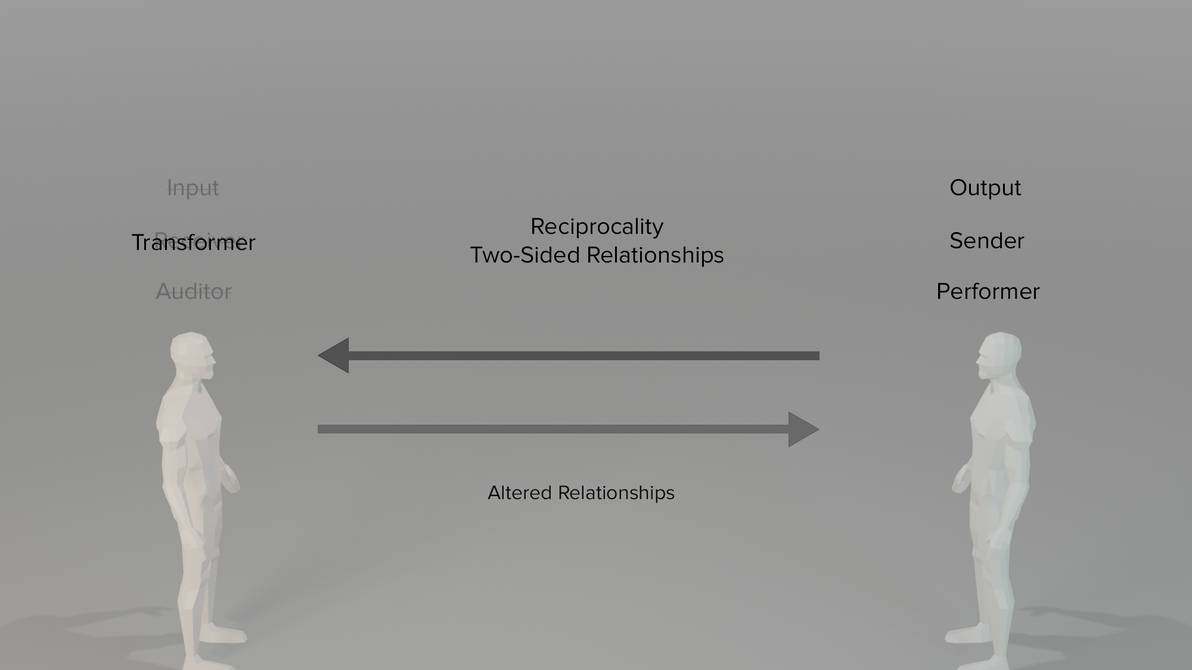
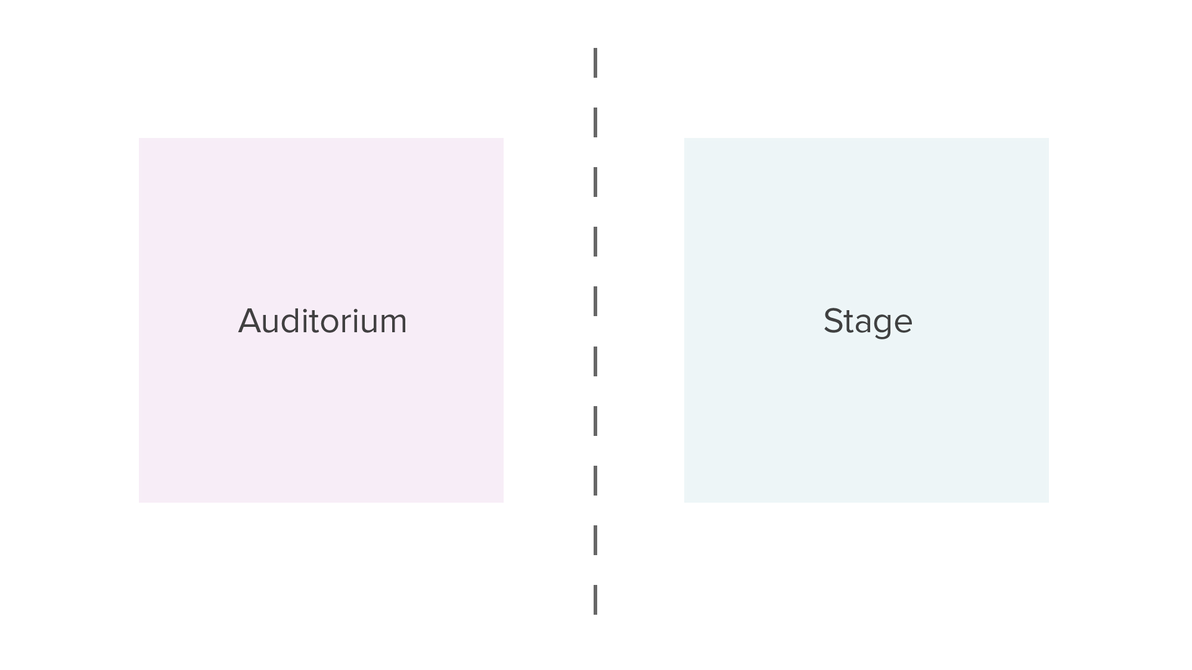
Second concept we come up with is alteration to enhance possibilities, demands and freedom. We wanted our theater should be capable to answer, possible differing demands designers of the performances as well as the variety of audition possibilities. In principle, we wanted our theater should not only what we wanted for it to be but being able to evolve what its users want from it to be.
Third and the last aspect of our theater, come up as an extension of previous aspect, the concept of fairness to be represented as being an open space. We wanted our theater being able to open to anyone without sort of restrictions, propose equal and high standard on perspective, air and light quality; not only for the subjects of event, but any user of the architecture.
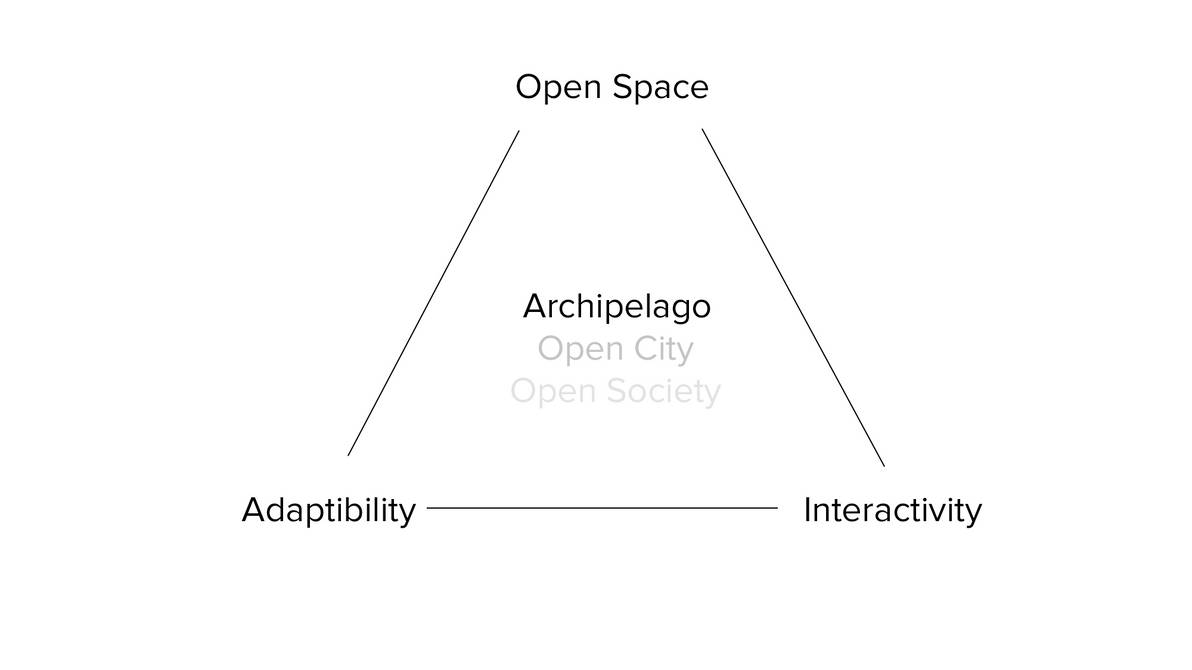
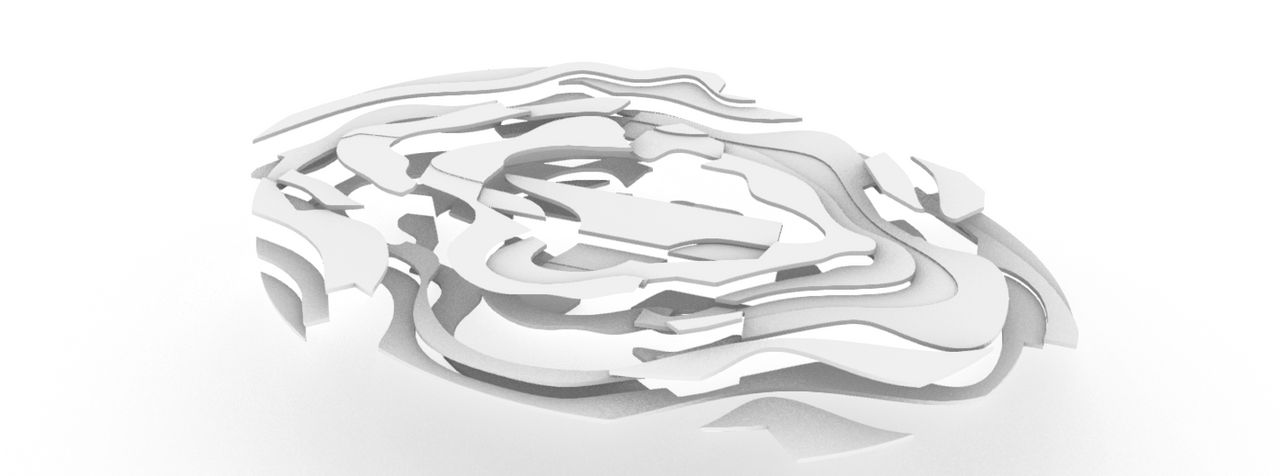
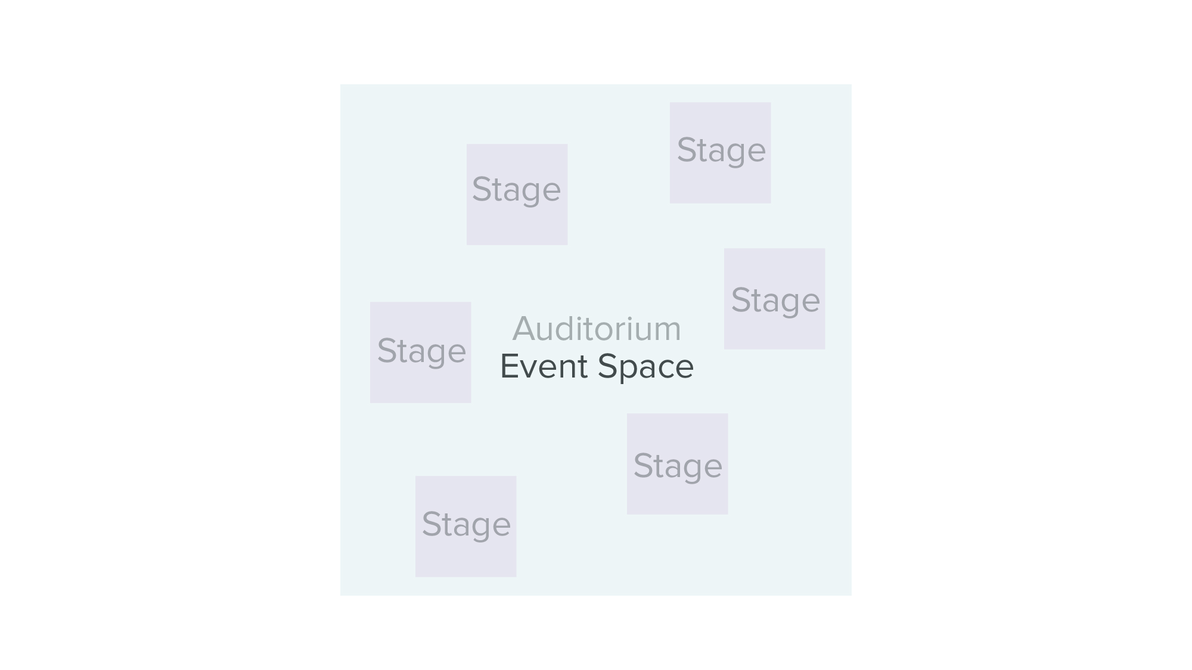
Karl Popper describes democracy as limiting the power to be accumulated in one hand. A form of correspondence to this idea was brought form correspondence by Oswald Mathias Ungers’ proposal for Berlin; the analogy of archipelago to represent breaking of centralization, to prevent aagglomeration of all functions and possibilities of the city in a single central location. In our consideration, the form of an archipelago not only represents the focal point of the stage (break of hierarchy) but also allows us to blend definite distinction between the stage and the auditorium to increase interactivity. In another aspect, the use of archipelago is to allegorize the work of Ungers as creating a node or point of attraction within Berlin, through emphasizing and revitalizing the potential of public space in Plänterwald.
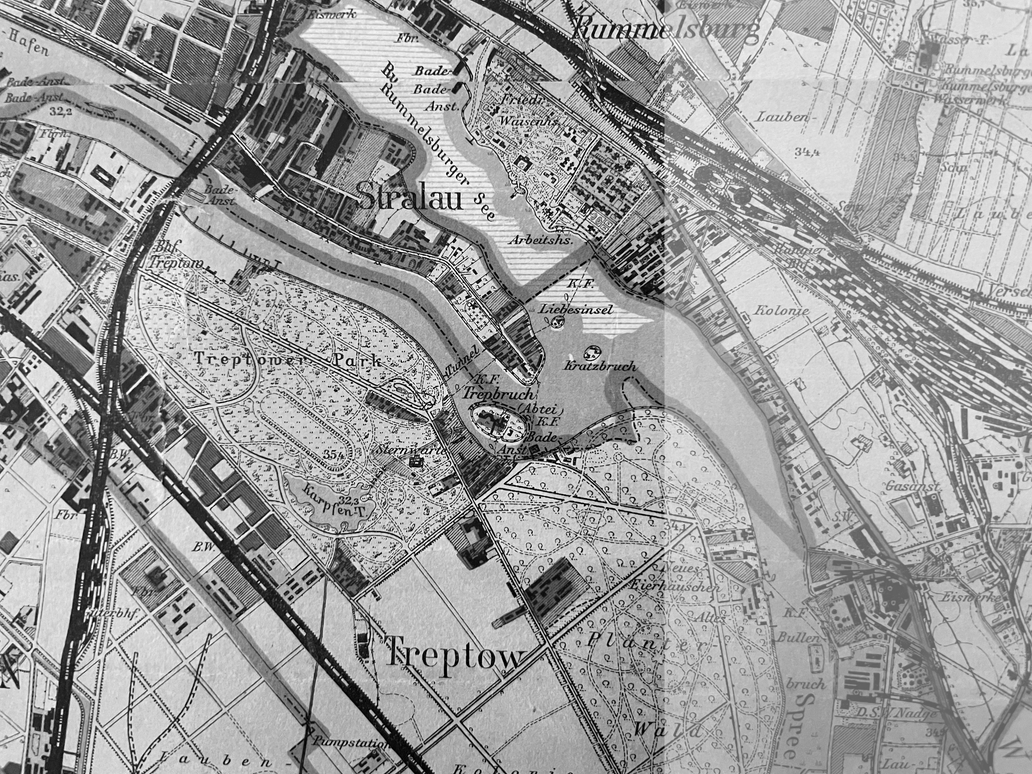
In our context, between from 1991 to 2001 as a result of rise of neoliberal policies in the world, Spreepark represents a model of privatized the public space. As a result of unfortunate set of events one of the important spaces in the City that has great potential become leftover space within the urban texture.
In archipelago, the performance will be relatively close and also, away from every spectator at the same time. Hence the performance would not be perceived as whole at once, so spectators should have to contact other people who were distant from the whole play. This condition allows performers to interact with spectators, as well as blending the clear-cut definition between auditorium and the stage.
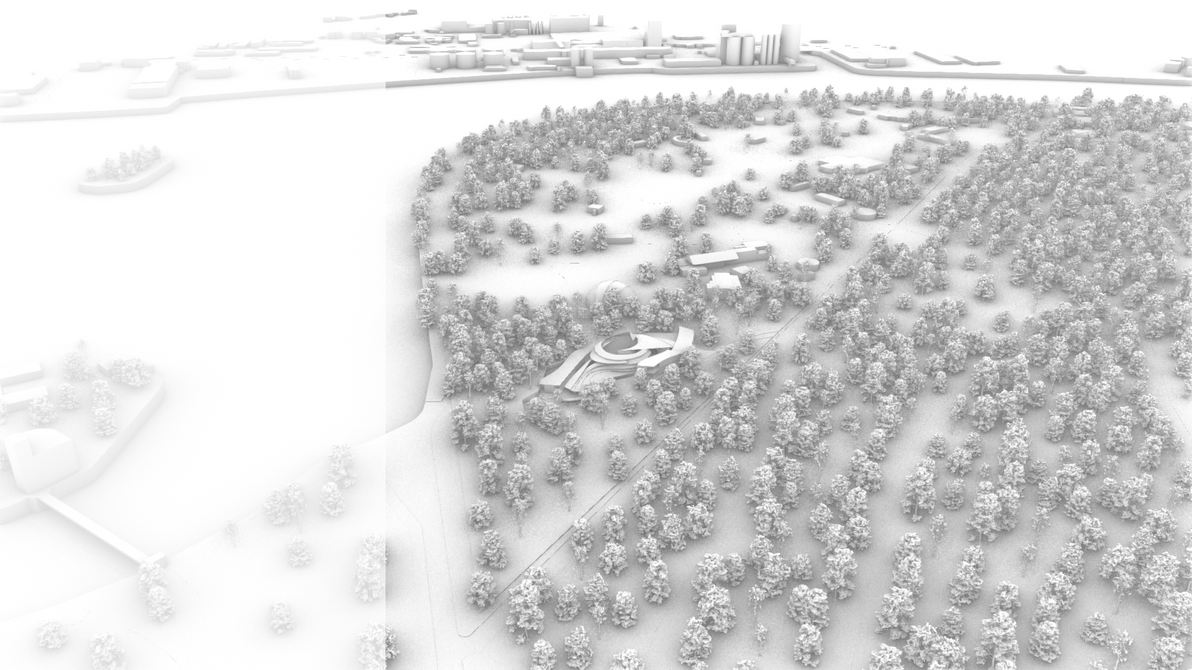
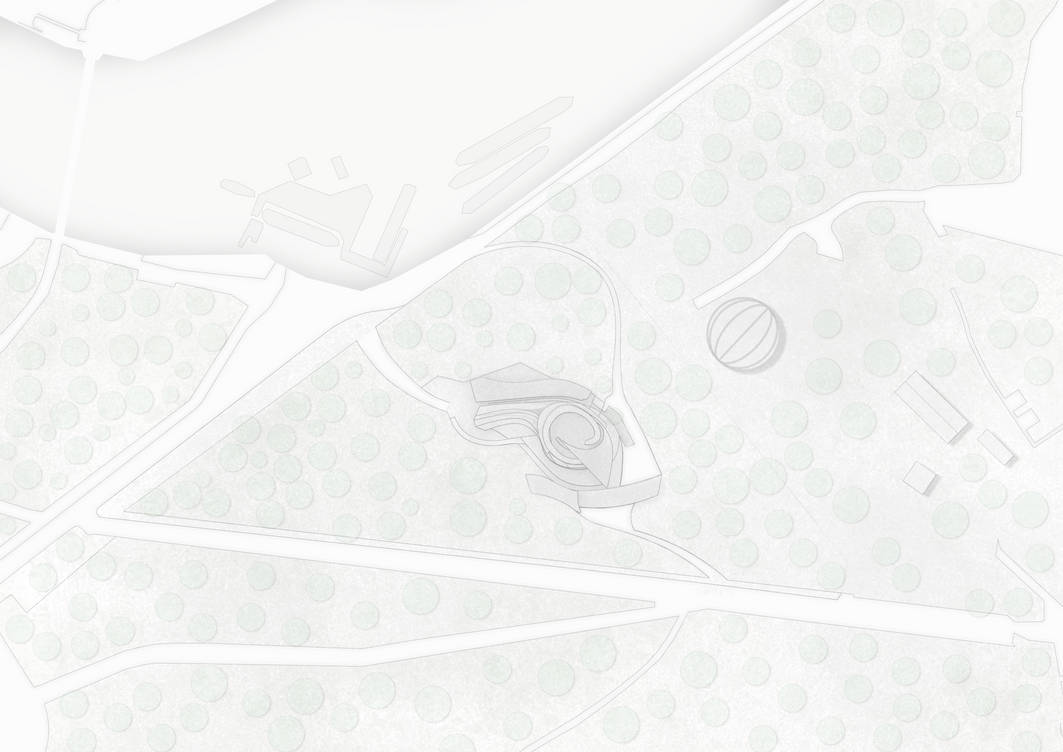
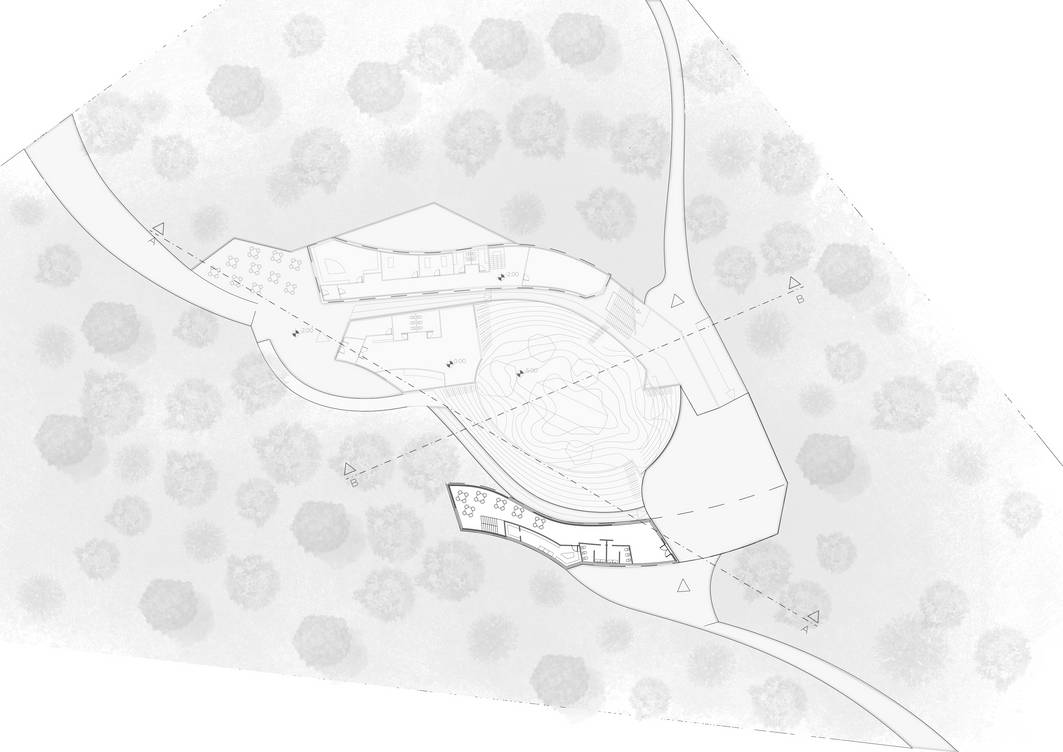
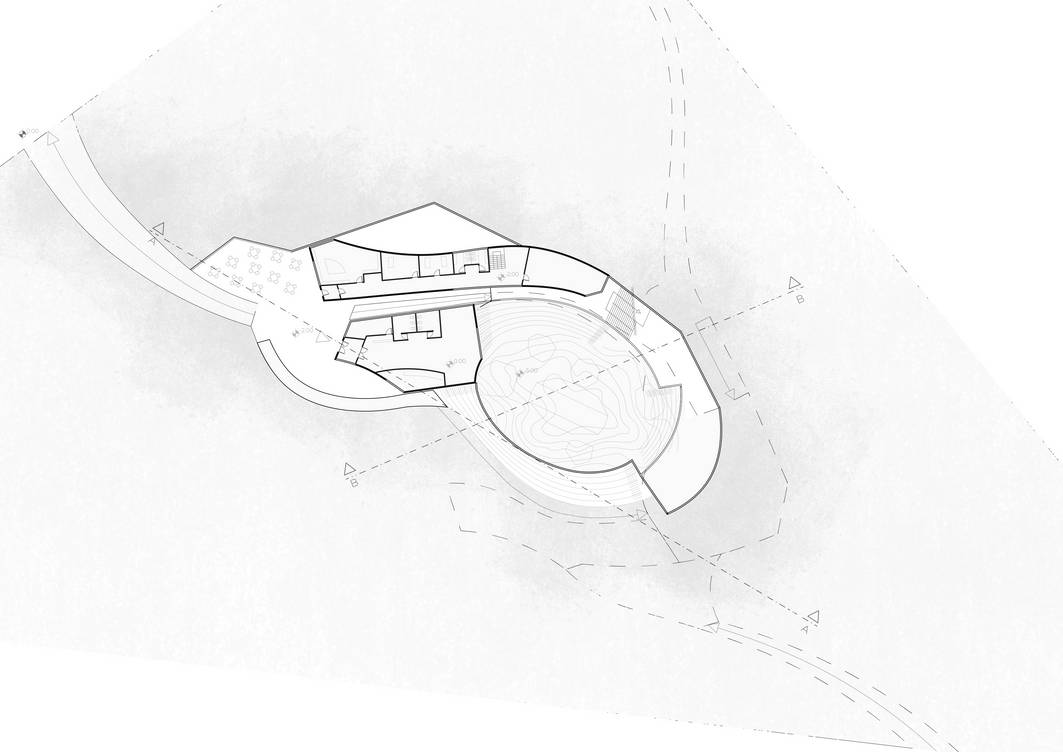
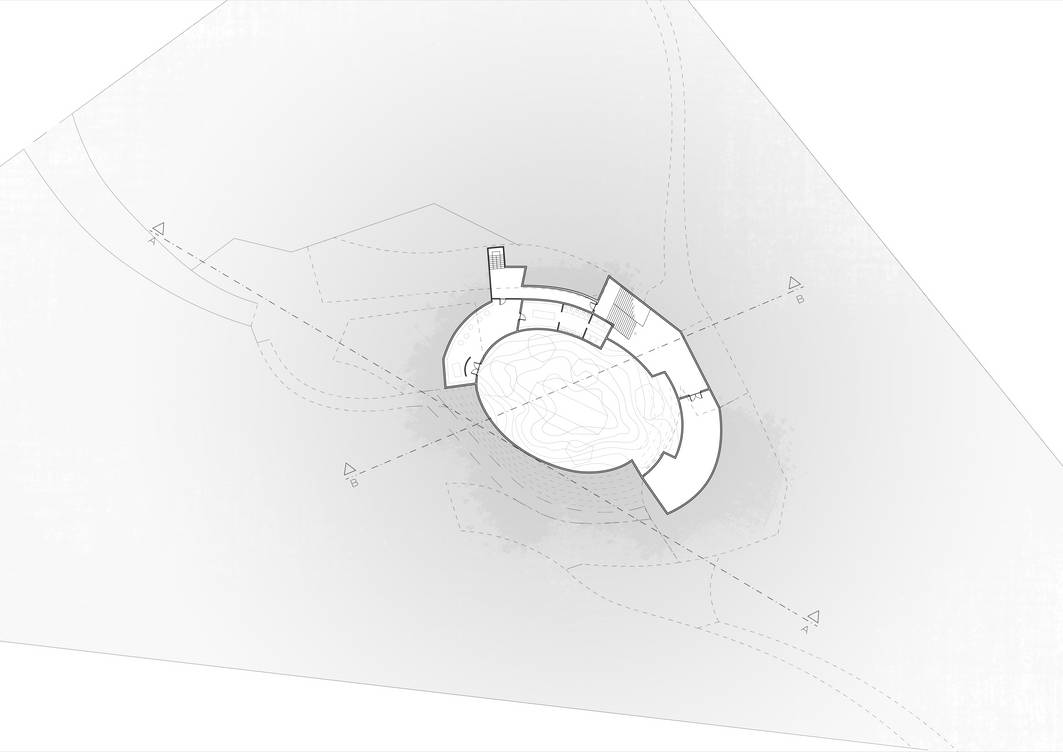
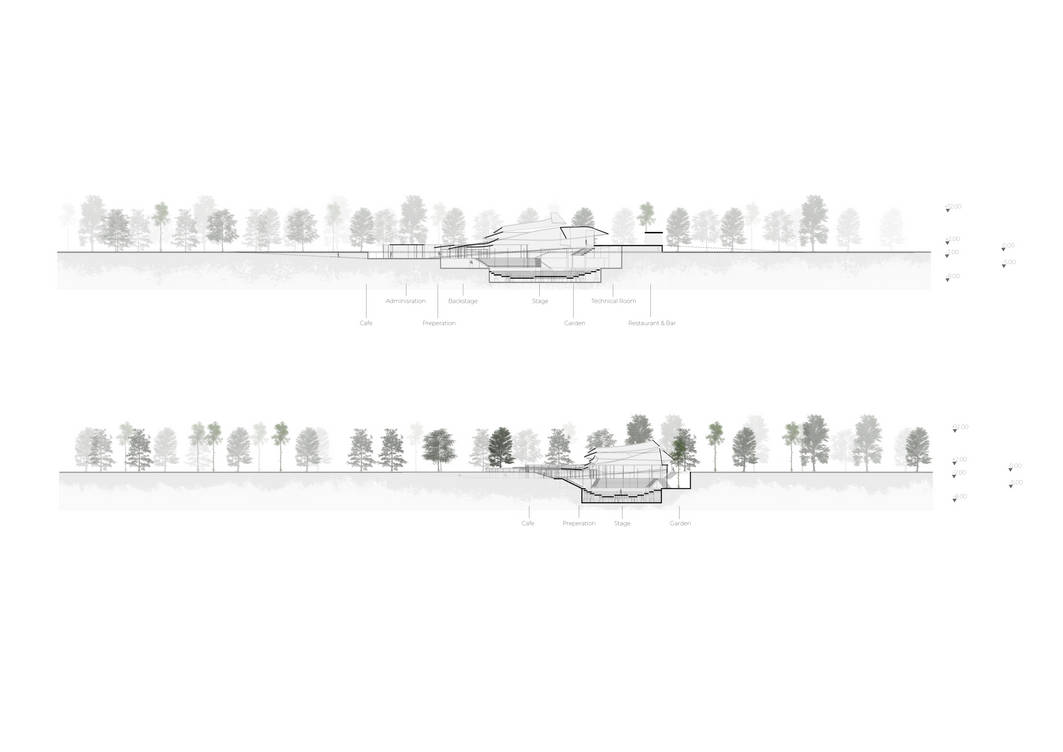
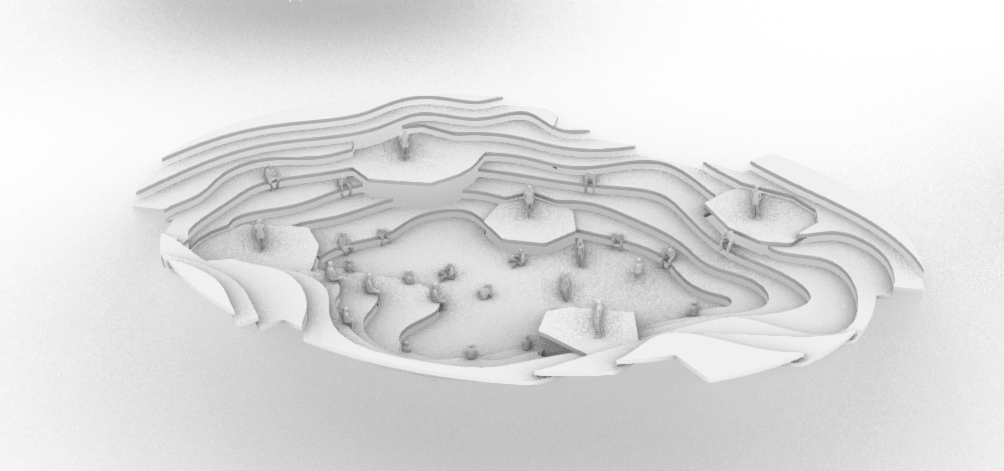
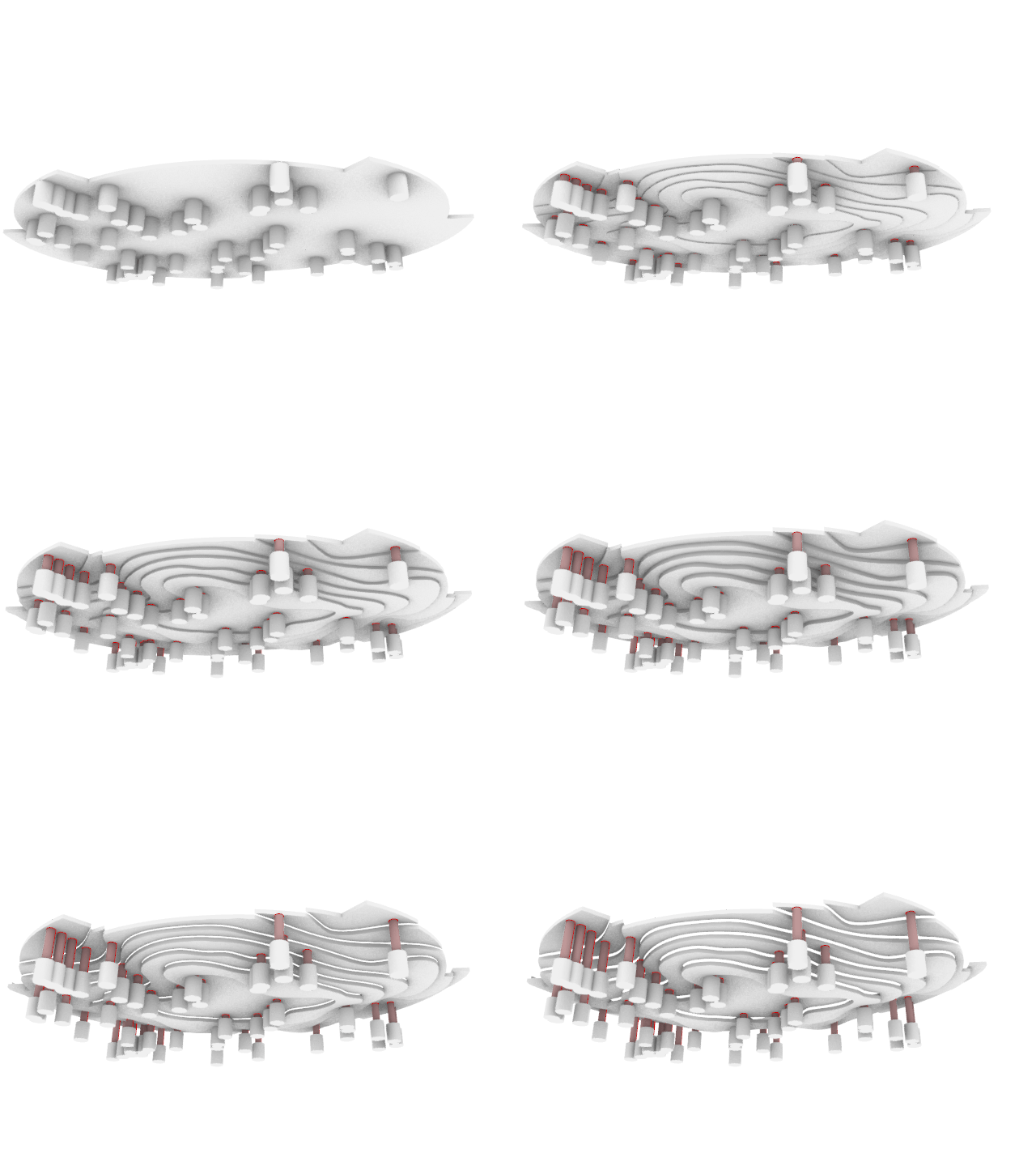
Archipelago proposes only a peculiar way of performance, without answering the demands of users it would not be truly open or adaptive space. Thus, in architecture, the auditorium is split into non-interactive and interactive parts to indicate right-to-choose. Form language of geometric- organic contrast was to indicate between interactive and non-interactive possibilities of spectation.
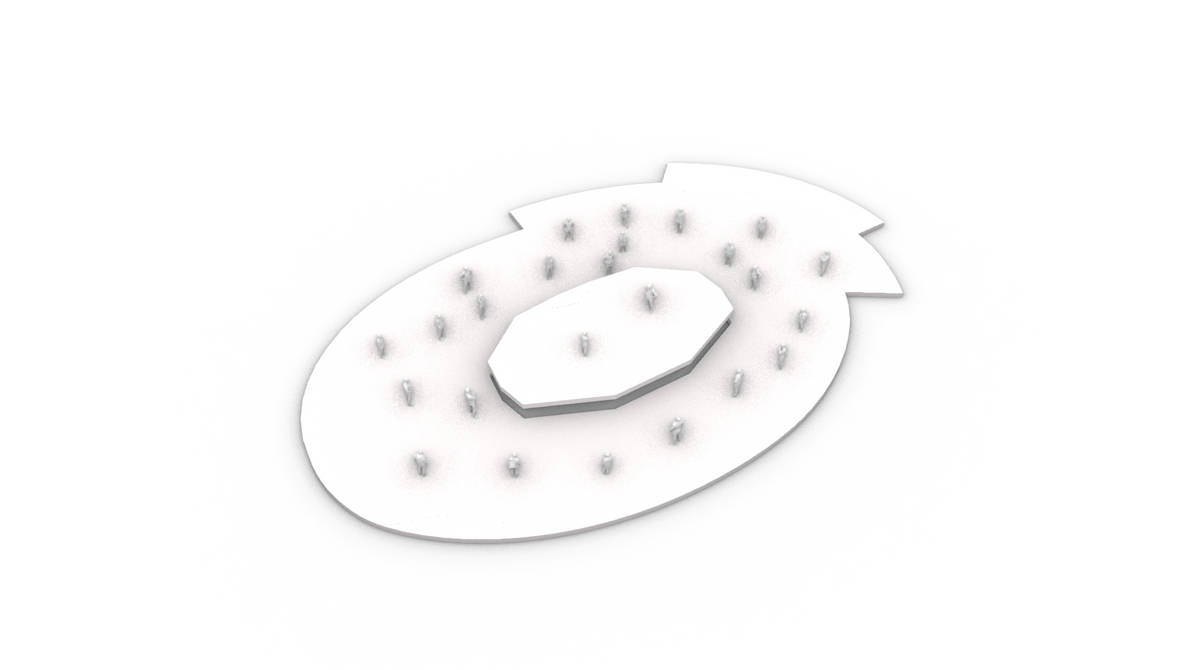
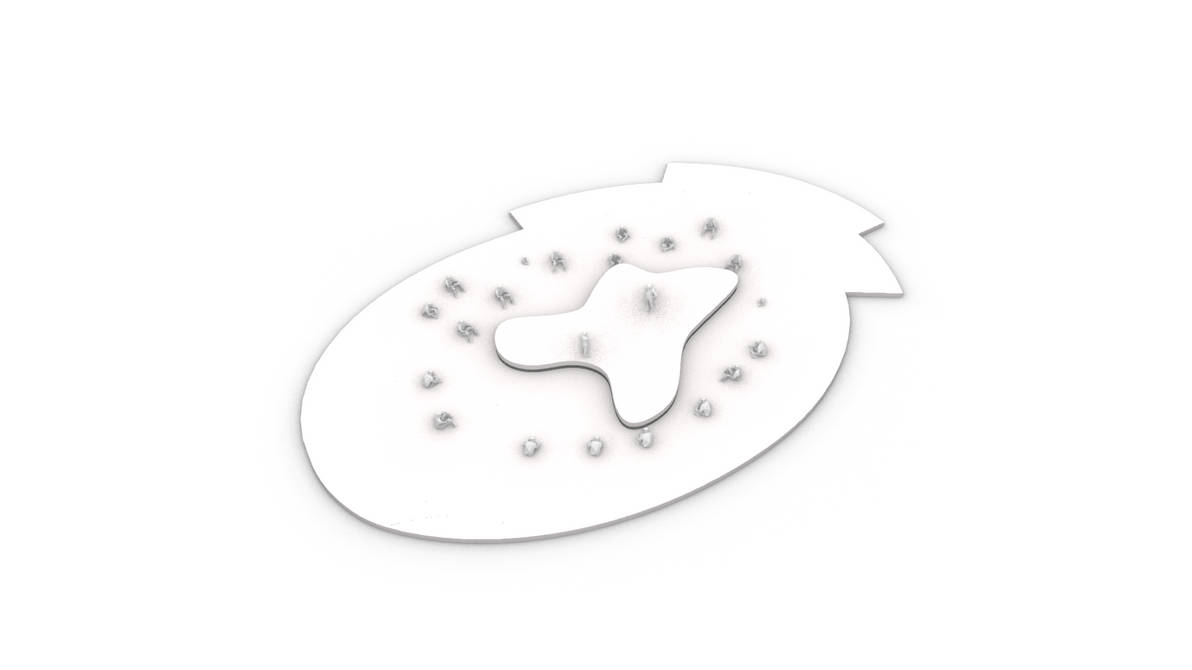
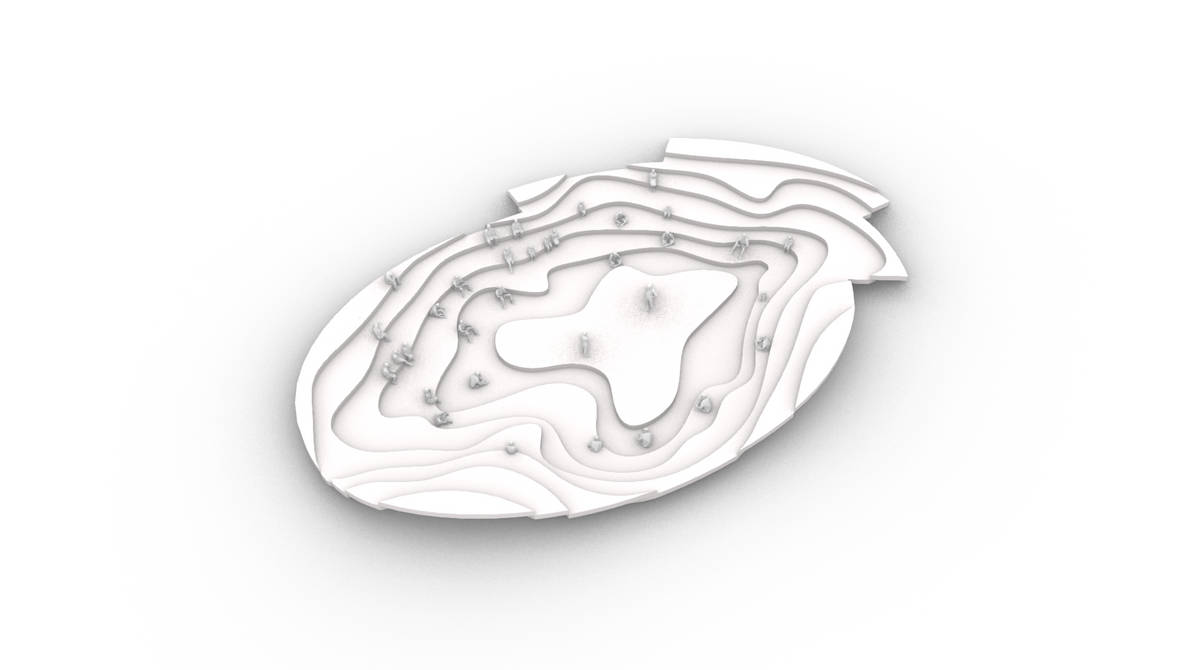
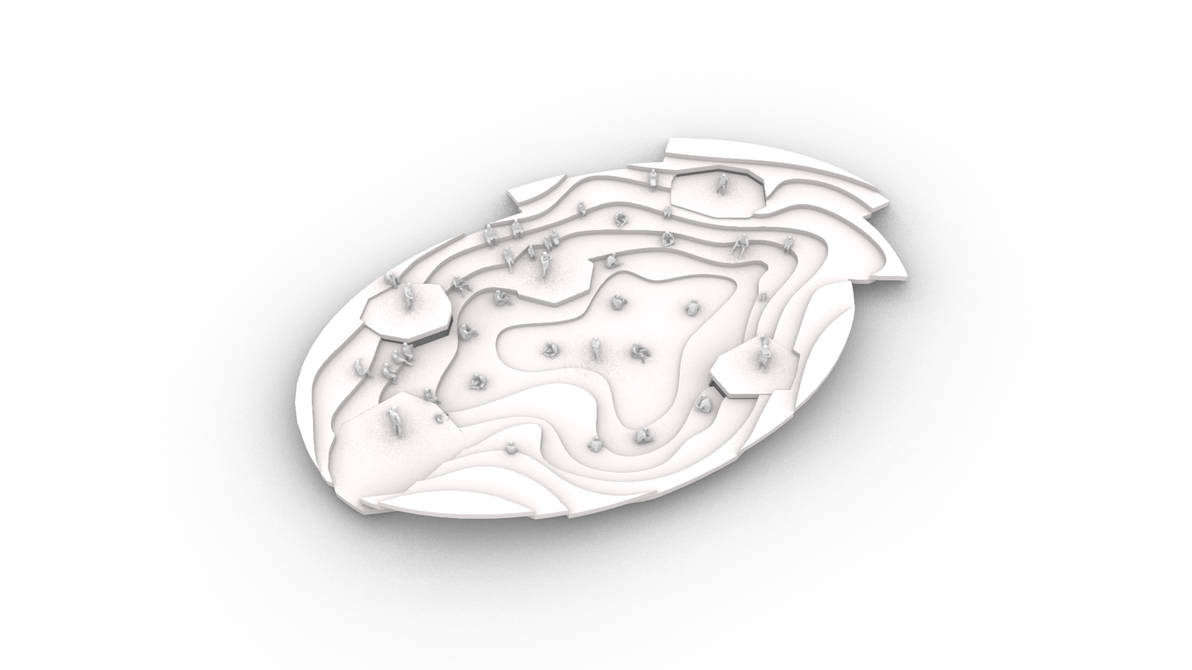
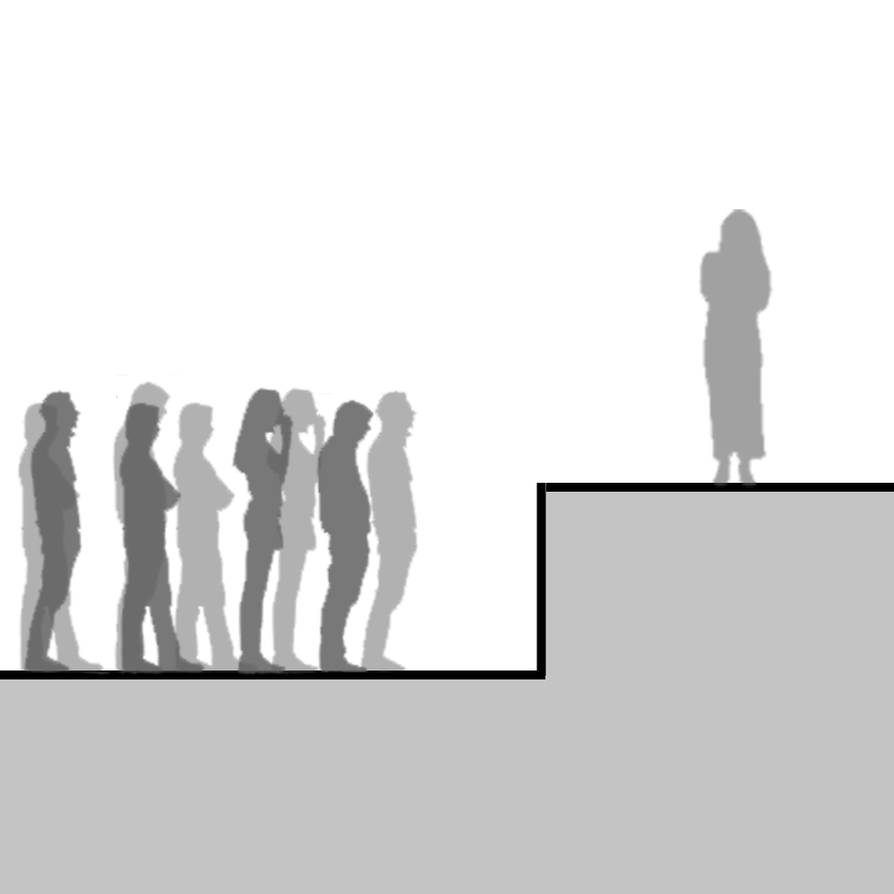
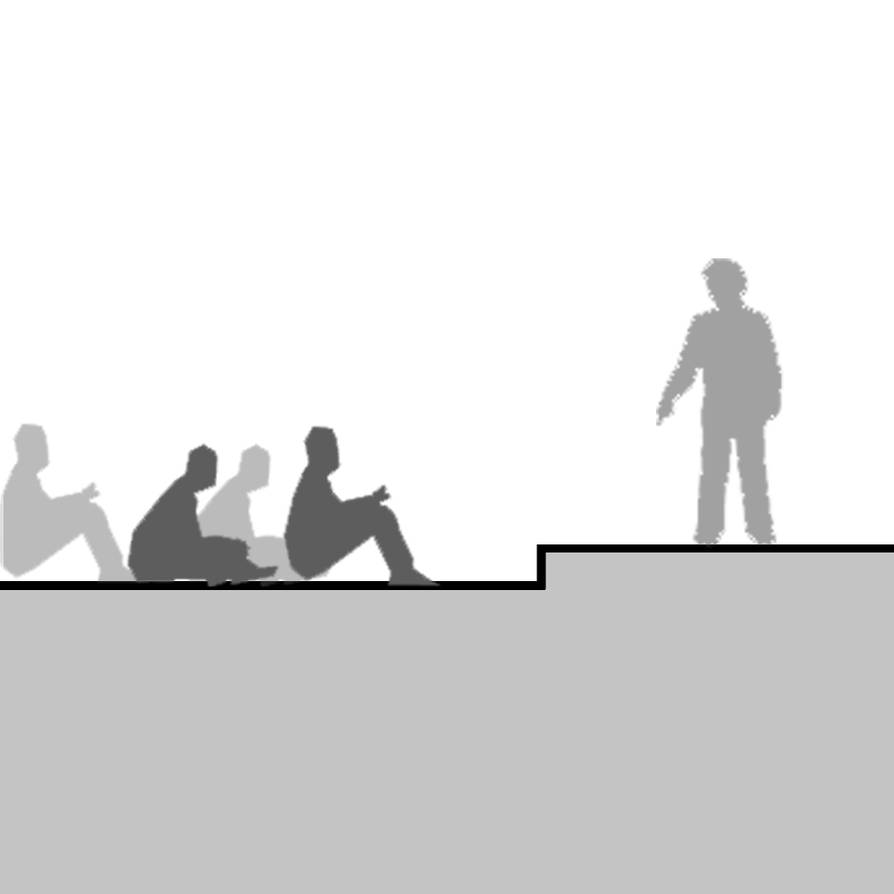
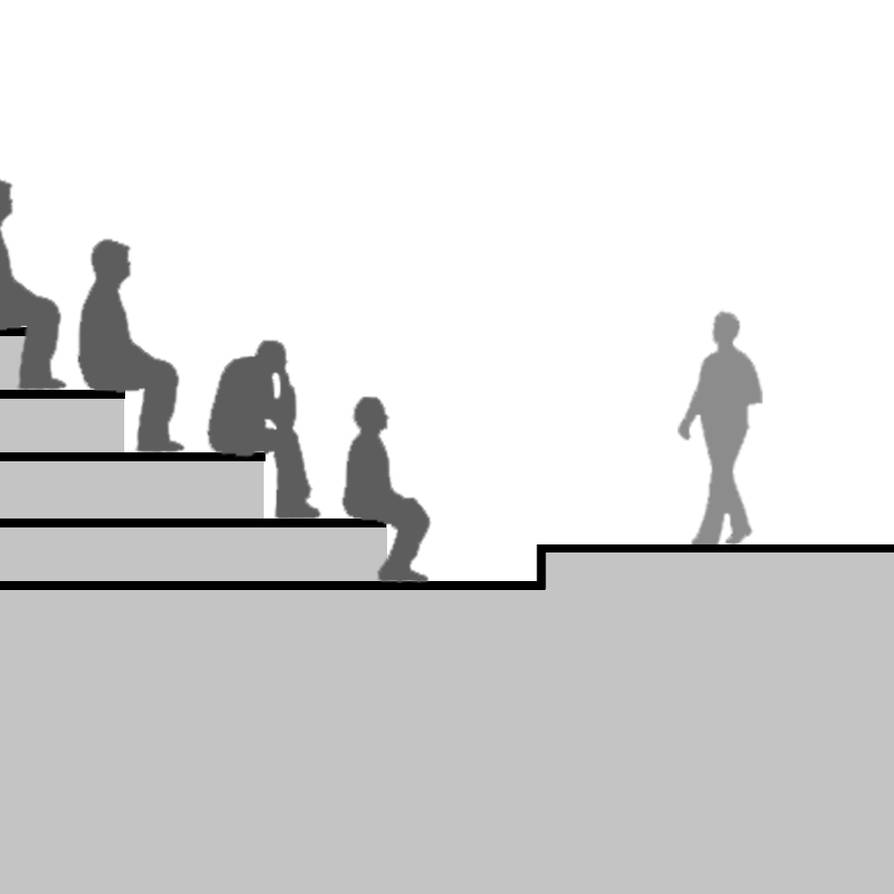
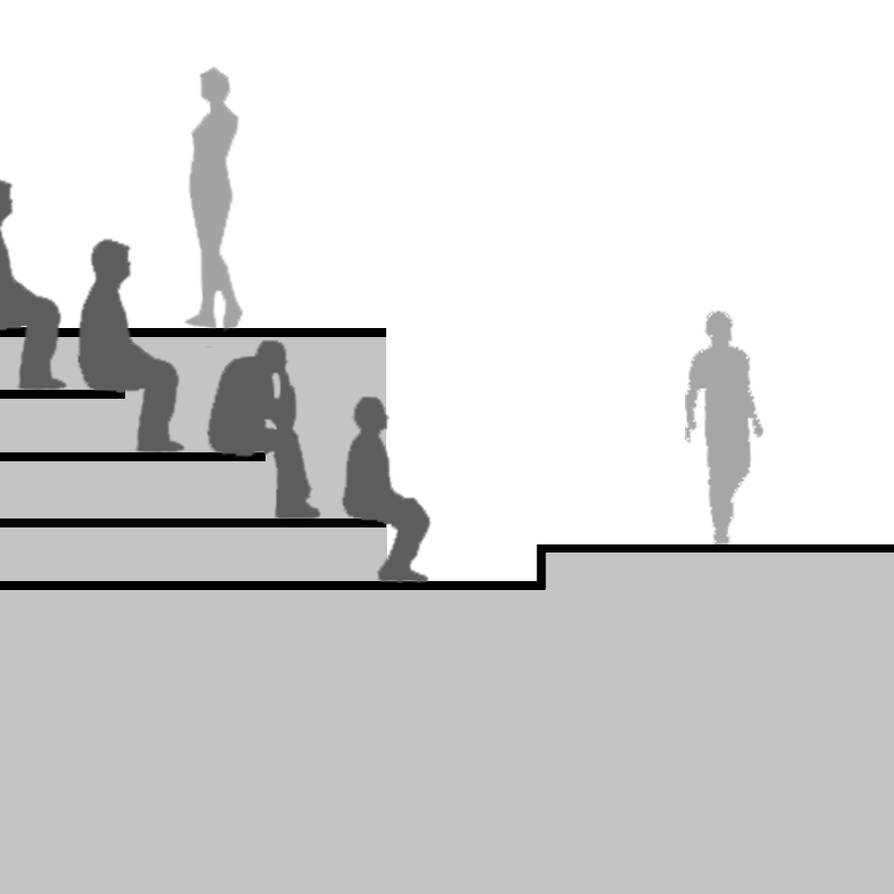
Mechanism to evolve stage for possible different demands of stage sets for the performances and the artist to reveal adaptability.
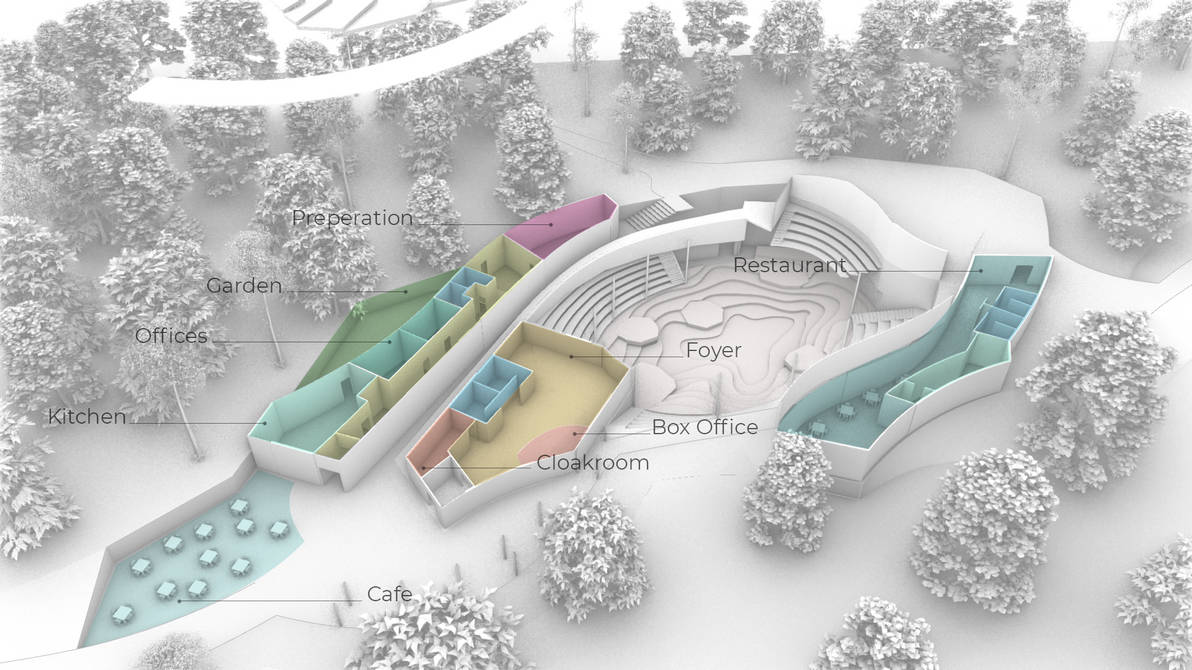
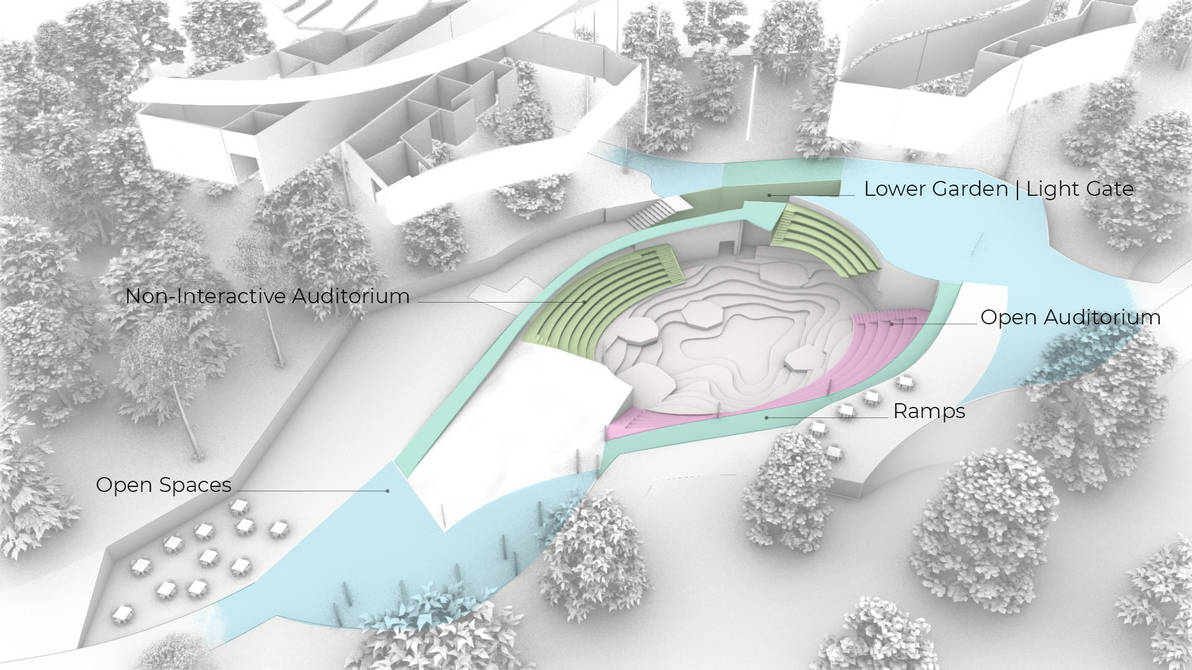
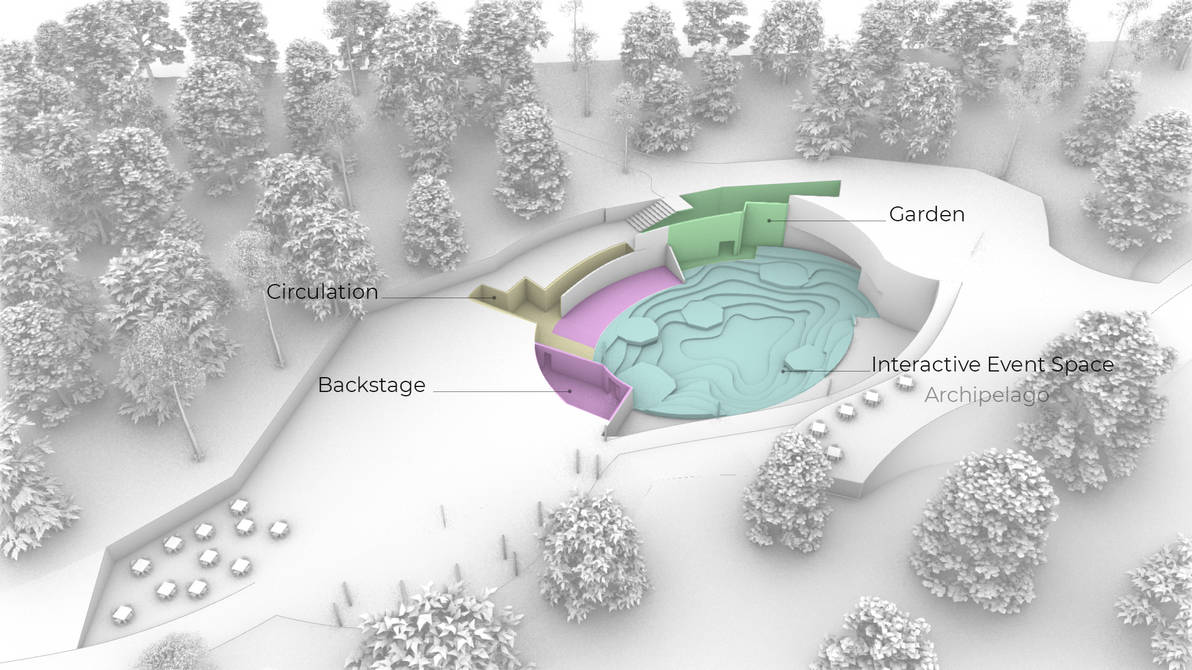
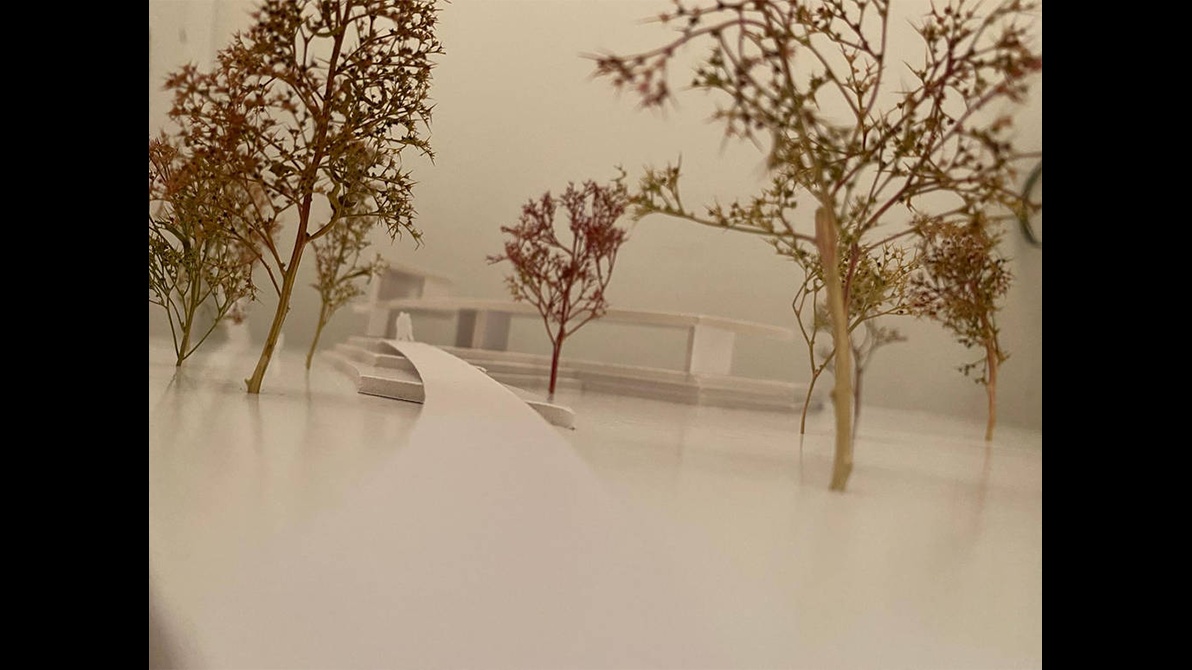
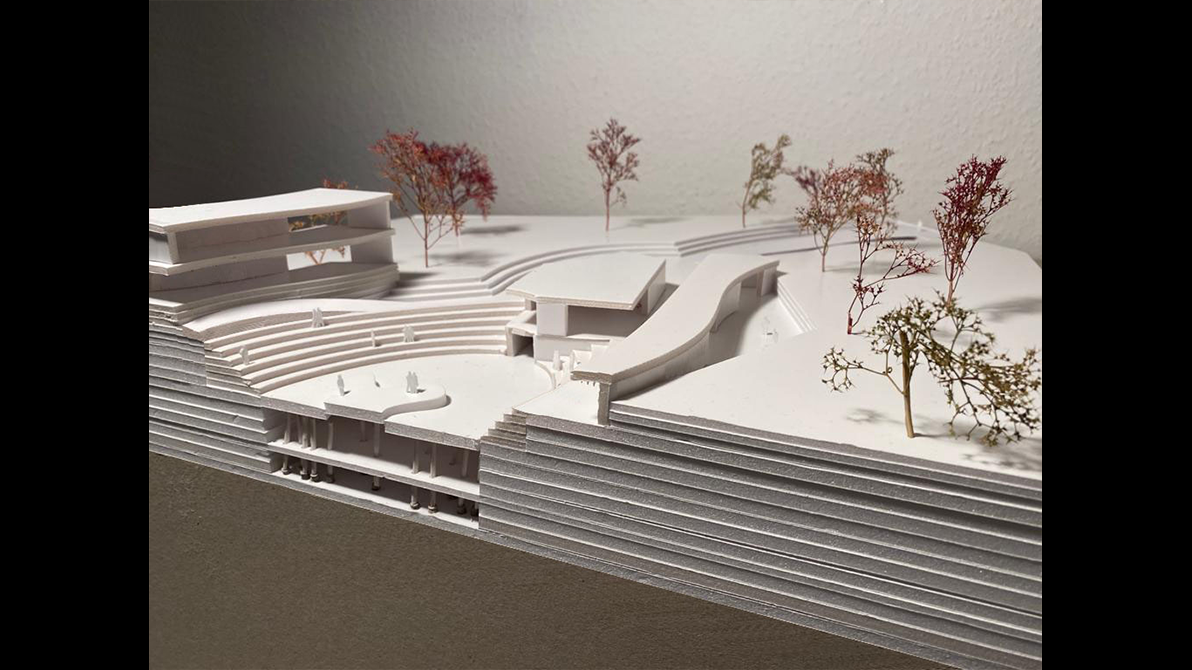
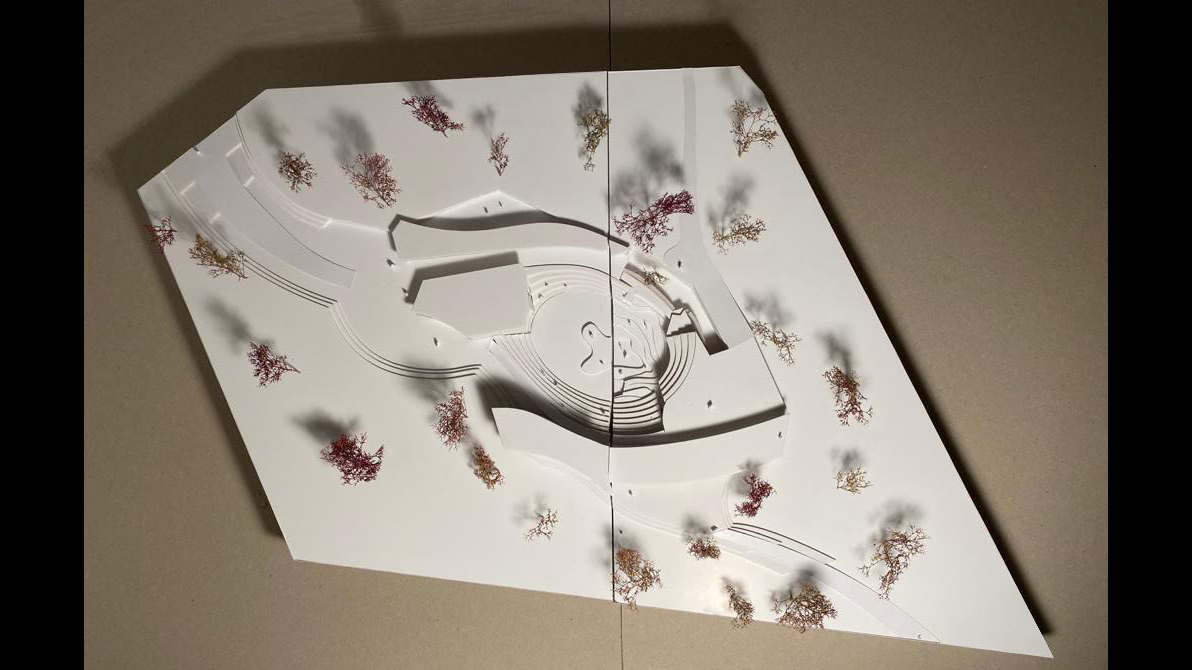
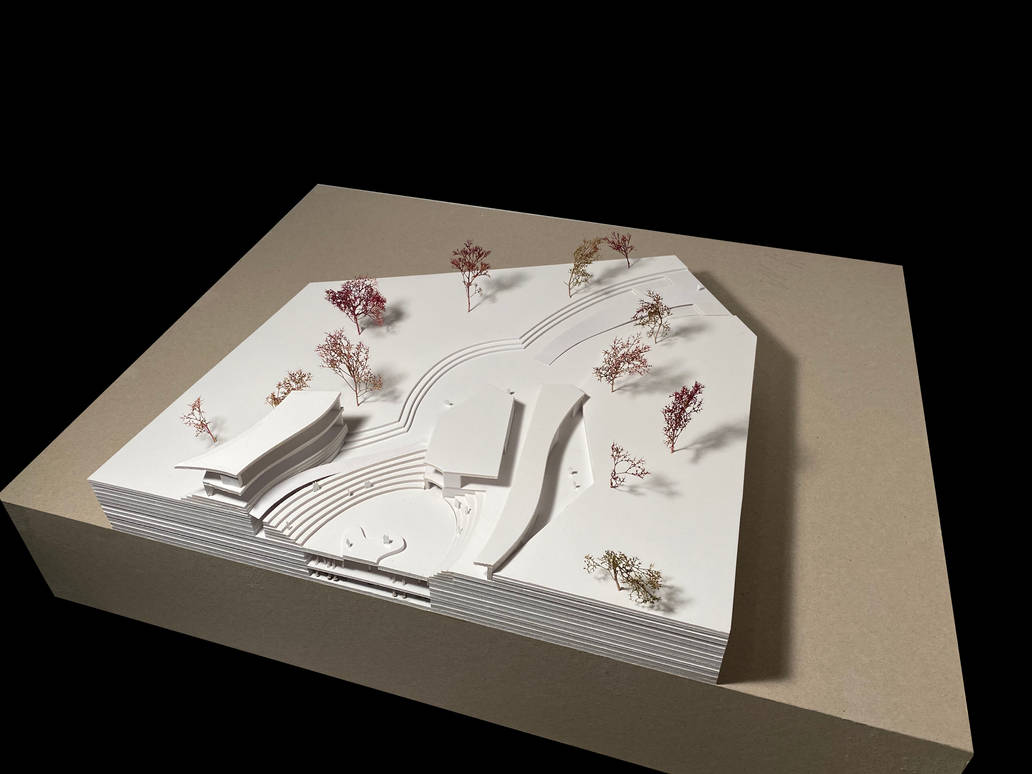
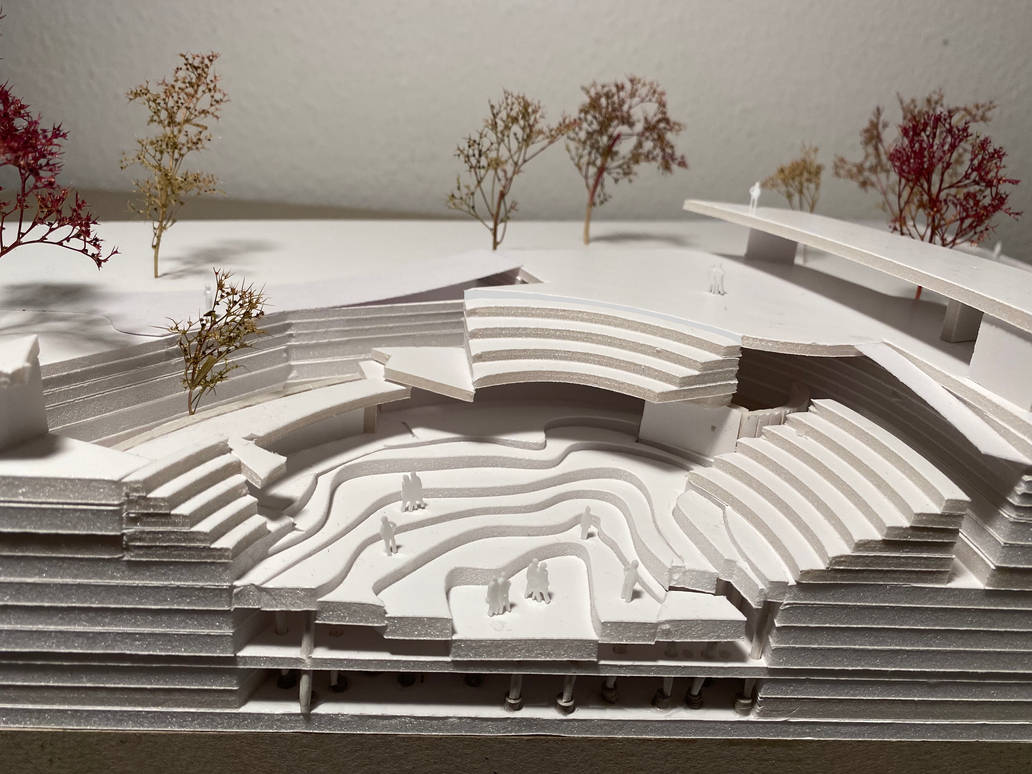
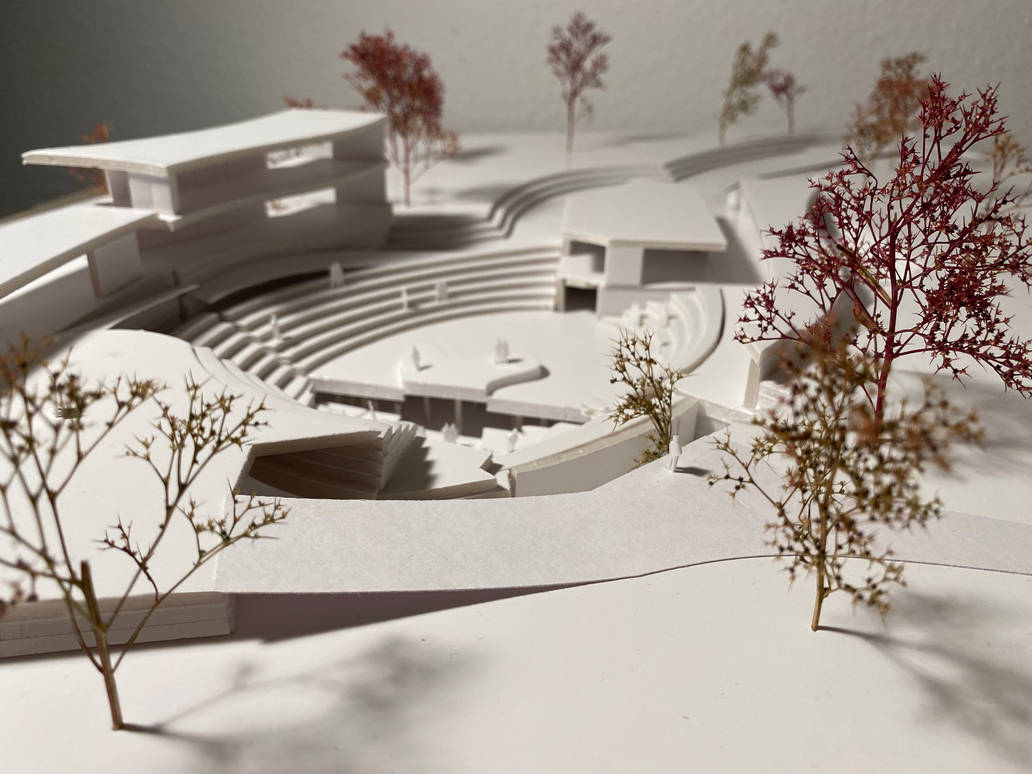
We have aimed to represent and reveal a space that is open and transitive: fairness without any constraints providing not only subjects of event but any users equal light air and perspective quality, adaptive: that is not only what we wanted for it to be but being able to evolve what its users want from it to be, and interactive: the one that breaking the input-output relationship between spectator and performer, propagate a new possibility and function for both the architecture and performance.
BERLEANT, Arnold & CARLSON, Allen (Eds.) (2006). “Multi-Sensoriness and the City” by Yrjö Sepänmaa. The Aesthetics of Human Environment. Broadview Press, Ontario, Plymouth. p. 169
CUNNINGHAM, Merce (1958). Cunningham Clip - Summerspace [Video File]. Accessed (24 Jun 2021) https://youtu.be/Ec70qsB-ubg
DAĞLIOĞLU KÖMEZ, Esin (2016).”Karl Popper’s Architectural Legacy: An Intertextual Reading of Collage City”. METU JFA. 33/1 (2016). pp. 113-116
Das Totaltheater (n.d.). Accessed (24 Jun 2021) https://www.fh-muenster.de/fb5/downloads/departments/Das_Totaltheater.pdf
HABERMAS, J. & Lennox S. & Lennox F. (1974). “The Public Sphere: An Encyclopedia Article.” German Critique, Autumn, 1974, No. 3. pp. 49-55
POPPER, Karl R. (1974). Karl Popper on Open Society [Video File]. Accesssed (24 Jun 2021) https://youtu.be/YVnlzYfIAj0?t=132
ROHE, Ludwig M. (n.d.). Ludwig Mies van der Rohe - Architecture as language [Video File]. Accessed (29 Jul 2021) https://www.youtube.com/watch?v=Z8VdhVJQm9U
UNGERS, Oswald M. (1977). The City in the City - Berlin: A Green Archipelago. Edited by Florian Hertweck. Lars Müller Publishers, Zurich